

TL;DR:
- Prize draw transparency involves openly sharing how FREE entries are counted, winners are chosen, and odds are calculated to ensure fairness. Using cryptographic protocols and third-party audits, operators can provide verifiable proof of fairness, building participant trust. Participants should verify clear rules, entry caps, odds, and public winner announcements to avoid transparency pitfalls and ensure legitimacy.
Prize draw transparency is defined as the clear, verifiable disclosure of how entries are counted, winners are selected, and odds are calculated, so participants can confirm fairness without taking an operator's word for it. This matters because trust collapses the moment participants suspect the result was predetermined. Understanding how prize draw transparency works protects you as a participant and holds operators to a measurable standard. In 2026, bodies like the Advertising Standards Authority (ASA) and the US Federal Trade Commission (FTC) have made verifiable fairness a baseline requirement, not a nice-to-have.
How prize draw transparency works: key methods and technologies
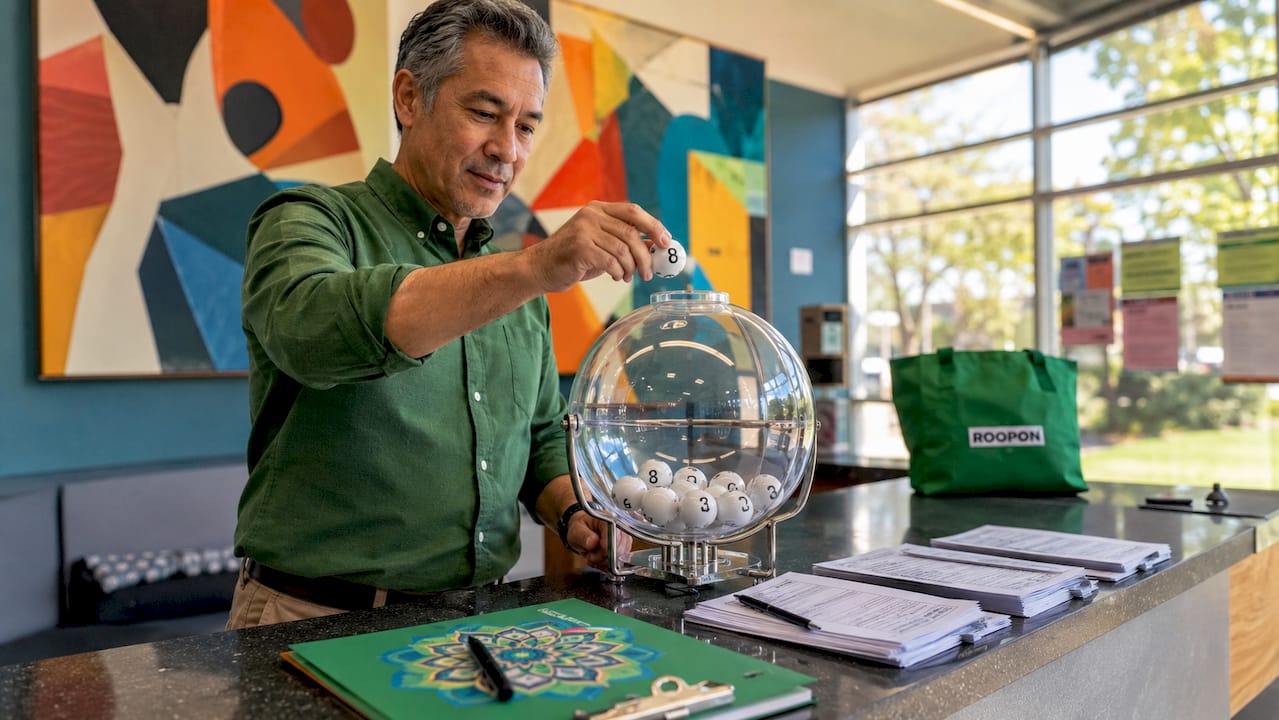
Prize draw fairness is delivered through two broad approaches: traditional random draws and provably fair draws. Traditional draws use a random number generator (RNG) operated by the organiser, with no external verification available to participants. Provably fair draws go further by creating a public audit trail that anyone can check.
A provably fair draw creates a complete record including timestamps, total entry counts, cryptographic random seeds, and selected winners. This replaces blind trust with mathematical certainty. The algorithm most commonly used is SHA-256, the same standard that underpins much of modern internet security.
The specific mechanism behind this is called the commit-reveal protocol. Before the draw, the operator publishes a hashed (encrypted) seed. After winners are selected, the original seed is revealed so anyone can verify the result was not changed. This multi-step process is often hidden from the user interface but is what separates a genuinely fair draw from a vague claim of randomness.
Beyond cryptographic methods, certified RNGs, third-party audits like GLI-19, and on-chain verifiable random functions (VRF) provide visible trust signals that go beyond an organiser's own claims. These shift the burden of proof to accessible, mathematical verification rather than reputation alone.
| Draw method | Fairness mechanism | Participant verification |
|---|---|---|
| Manual random draw | Human selection | None available |
| Software RNG (uncertified) | Algorithm-based | Operator's word only |
| Certified RNG | Third-party audited algorithm | Audit seal or certificate |
| Provably fair (SHA-256) | Commit-reveal cryptographic protocol | Public seed and hash check |
| On-chain VRF | Blockchain-recorded randomness | Public ledger review |

Pro Tip: Before entering any draw, search for the operator's RNG certificate or audit seal. Legitimate platforms like those reviewed on Australian giveaway platforms will display this information publicly.
What does transparency mean for your odds and entry rules?
Transparency is not only about how winners are selected. It also covers whether you understand your actual chance of winning before you enter. Operators often fail to disclose FREE total entries or odds upfront, and this is one of the most common transparency gaps participants encounter.
Your odds change depending on how many people enter. More people means worse odds. It's that simple. A draw with 500 FREE entries gives you a 1-in-500 chance per ticket. A draw with 50,000 FREE entries makes finding a winner feel like locating a needle in a haystack. Transparent platforms state the total entry cap and whether paid and FREE entries are pooled together, so you know exactly what you're up against before you commit.
Rules must be written in plain English and easy to find. The 2026 Voluntary Code requires platforms to disclose draw closing times, winner selection methods, entry caps, and where winners will be announced. If you have to dig through dense legal text to find basic draw mechanics, that is a warning sign.
Before entering any prize draw, confirm the following five things:
- FREE Total entries or entry cap: Is there a maximum number of FREE entries, and is it published?
- Odds of winning: Are the odds calculated and disclosed clearly, not just implied?
- Entry pooling: Are free and paid entries counted together or separately?
- Winner announcement: Where and when will the winner be named publicly?
- Eligibility rules: Are age, residency, and entry limits stated in plain English?
These five checks take less than two minutes and can save you from entering a draw where the rules are stacked against you without your knowledge.
How operators demonstrate transparency: regulations and best practices
Operators who take prize draw accountability seriously follow both legal requirements and voluntary codes. The ASA and FTC require that promoters accurately track all FREE entries and provide evidence of a valid, random award. The Bier Nuts case is a documented example where missing evidence triggered regulatory complaints and scrutiny. That outcome illustrates exactly why record-keeping is not optional.
The 2026 Voluntary Code of Good Practice for Prize Draw Operators goes beyond legal minimums. It demands plain English disclosures covering draw closing times, winner selection methods, entry caps, and winner announcement locations. Operators who follow this code are signalling that they want participants to understand the process, not just accept it.
Beyond written rules, the most credible operators now treat winner selection as a public event. Live streaming draws and releasing detailed draw reports including timing, hardware, and software used have become new trust standards in the industry. This approach turns a hidden back-end process into something participants can watch and verify in real time.
Transparency is now a key marketing asset, turning winner selection into a visible event rather than a hidden process. Operators who publish draw reports, display third-party audit certificates, and announce winners publicly are not just complying with regulations. They are building a competitive advantage.
Pro Tip: Check whether the operator publishes a post-draw report or live stream. Platforms that do this consistently are demonstrating prize draw integrity at a level well above the minimum standard. You can also review legitimate prize programme examples to see what best practice looks like in action.
Common transparency pitfalls and how to protect yourself
⚠️ The most common transparency failure is a vague claim that a winner was "randomly selected." In 2026, that phrase alone is insufficient. Social media users increasingly demand visible, shareable proofs of randomness rather than vague statements. An operator who cannot show you how the randomness was generated should be treated with caution.
Missing entry tracking is another significant gap. If a platform cannot tell you how many FREE entries were received or how the draw was conducted, you have no way to verify your odds were what you were told. Ensuring prize draw integrity requires the entire draw chain to be certified, not just the moment of winner selection.
Hidden rules are a third red flag. Rules buried in footnotes, linked only from a terms and conditions page, or written in legal language that requires a lawyer to interpret are a sign the operator is not prioritising participant understanding. The Australian giveaway laws that govern these draws require accessible, plain-language disclosure.
Follow these steps to verify a prize draw before entering:
- Find the full terms and conditions. They should be linked clearly from the entry page, not hidden in a footer.
- Check for a FREE entry cap or total participant count. If this is not published, ask the operator directly.
- Look for a winner announcement channel. The operator should state exactly where and when winners will be named.
- Search for a third-party audit seal or RNG certificate. GLI-19 certification is a recognised standard.
- Review past draw results. Legitimate operators publish a history of previous winners and draw reports.
- Confirm free and paid entries are treated equally or disclosed separately. Pooling without disclosure is a transparency failure.
These steps apply whether you are entering a weekly cash draw or a high-value prize competition. The process is the same, and the protection it gives you is real.
Key takeaways
Prize draw transparency works when operators combine clear rules, verifiable randomness, and public winner announcements so participants can confirm fairness independently.
| Point | Details |
|---|---|
| Verifiable randomness is the standard | Provably fair draws using SHA-256 and commit-reveal protocols replace blind trust with checkable proof. |
| Odds must be disclosed upfront | Transparent platforms publish entry caps and state whether free and paid entries are pooled before you enter. |
| Regulations set the baseline | ASA, FTC, and the 2026 Voluntary Code require plain English rules, entry tracking, and public winner announcements. |
| Red flags are identifiable | Vague "randomly selected" claims, missing entry counts, and hidden rules are warning signs of poor transparency. |
| Participants can verify independently | Third-party audit seals, live draw streams, and published draw reports give you the tools to check fairness yourself. |
Why transparency has become non-negotiable: the Roopon team's view
The shift from trust-based draws to provably fair draws is the most significant change in prize promotions over the past decade. When we started paying close attention to how draws were being run, the gap between what operators claimed and what they could actually demonstrate was striking. "Randomly selected" was the industry standard answer, and participants were expected to accept it.
That era is ending. Participant scepticism is not cynicism. It is a rational response to years of opaque processes. Transparency protocols now serve as a defensive shield against internal corruption and build legitimacy in an industry under constant scrutiny. The operators who embrace this are not just complying. They are winning participant confidence in a way that vague assurances never could.
Our practical advice is straightforward. Treat transparency as a minimum entry requirement, not a bonus feature. If an operator cannot show you how the draw works, how entries are counted, and where the winner will be announced, your entry fee or time is not well spent. The tools to verify fairness exist. Use them. The draws worth entering are the ones that welcome your scrutiny.
— Roopon Team
How Roopon supports fair and transparent prize draws
Roopon is built on the principle that participants deserve to know exactly how draws work before they enter. Every Roopon draw publishes clear, plain-English rules covering entry caps, winner selection methods, and announcement channels. There are no hidden pooling arrangements and no vague randomness claims.

FREE Prize-draw entries follow the plan and that campaign’s terms. This page does not state odds. Extra packages exist for specific campaigns. Rules are written to be read, not decoded. If you want to see what a transparent draw looks like in practice, explore /giveaways and check the published terms for yourself. Transparency is not a marketing claim at Roopon. It is the operating standard.
FAQ
What is prize draw transparency?
Prize draw transparency is the clear disclosure of how FREE entries are counted, winners are selected, and odds are calculated, so participants can verify fairness independently. It covers rules, mechanics, odds, and prize delivery.
How do provably fair draws work?
A provably fair draw uses a commit-reveal protocol, publishing a hashed cryptographic seed before the draw and revealing it after winner selection, so anyone can confirm the result was not manipulated.
What do Australian prize draw regulations require?
Australian prize draw regulations, alongside ASA and FTC guidelines, require operators to accurately track all FREE entries, disclose odds and rules in plain English, and provide evidence of a valid, random winner selection.
How can I check if a prize draw is legitimate?
Look for a published entry cap, a third-party RNG audit certificate such as GLI-19, a clear winner announcement channel, and a history of past draw results. Operators who publish post-draw reports are demonstrating a higher standard of accountability.
Are free and paid entries treated the same way?
Not always. Transparent platforms state whether free and paid entries are pooled together or counted separately before you enter. If this is not disclosed upfront, ask the operator directly before participating.
